Heart diseases often develop silently before noticeable symptoms appear. Early evaluation through diagnostic tests plays a vital role in detecting cardiac problems, guiding treatment, and preventing serious complications. Among the most commonly recommended heart tests are ECG (Electrocardiogram), Echocardiography (Echo), and TMT (Treadmill Test).
According to Dr Rohit Kumar, understanding the purpose of each test helps patients appreciate why multiple cardiac investigations may sometimes be necessary. Each test evaluates a different aspect of heart function, and together they provide a comprehensive assessment of cardiovascular health.
What Is ECG (Electrocardiogram)?
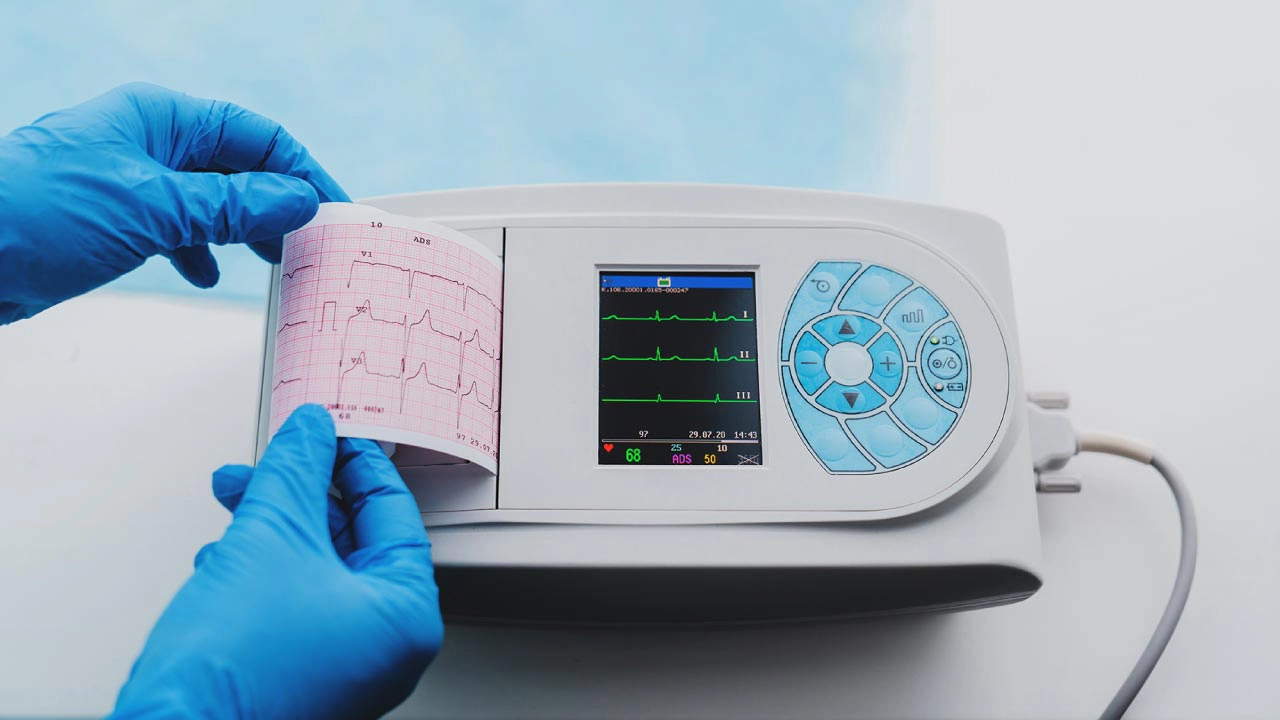
An ECG is a quick, painless test that records the electrical activity of the heart. Electrodes are placed on the chest, arms, and legs to detect electrical impulses generated during heartbeats.
This test is usually the first step in cardiac evaluation because it is simple, widely available, and provides immediate information.
What ECG Helps Detect
- Abnormal heart rhythms (arrhythmias)
- Heart rate irregularities
- Signs of previous or ongoing heart attack
- Electrical conduction abnormalities
- Effects of electrolyte imbalance
Although ECG provides valuable information, it mainly reflects electrical activity and does not show detailed heart structure.
What Is Echocardiography (Echo)?
Echocardiography uses ultrasound waves to create real-time images of the heart. It allows doctors to visualize heart chambers, valves, muscle function, and blood flow.
Unlike ECG, which measures electrical signals, Echo focuses on structural and functional assessment of the heart.
What Echo Helps Evaluate
- Heart valve disorders
- Pumping efficiency (ejection fraction)
- Heart muscle strength and thickness
- Congenital heart abnormalities
- Fluid around the heart
- Blood flow patterns
This test provides detailed insight into how well the heart is physically functioning.
What Is TMT (Treadmill Test)?
The Treadmill Test, also called a cardiac stress test, evaluates how the heart responds to physical exertion. During the test, the patient walks on a treadmill while ECG, heart rate, and blood pressure are monitored.
It helps identify heart problems that may not appear while resting.
What TMT Helps Detect
- Reduced blood supply to the heart during exertion
- Exercise-induced arrhythmias
- Fitness level and exercise tolerance
- Early signs of coronary artery disease
This test is particularly useful in evaluating chest pain, breathlessness on exertion, or suspected coronary artery disease.
Key Differences Between ECG, Echo, And TMT
While all three tests assess heart health, they focus on different aspects:
- ECG evaluates electrical activity and rhythm disturbances.
- Echo examines heart structure, valves, and pumping function.
- TMT assesses heart performance under physical stress.
Doctors often recommend these tests together for a more complete cardiac evaluation rather than relying on a single investigation.
When Are These Tests Recommended?
Your doctor may advise ECG, Echo, or TMT based on symptoms, medical history, and risk factors.
Common indications include:
- Chest discomfort or palpitations
- Shortness of breath or fatigue
- High blood pressure or diabetes
- Family history of heart disease
- Suspected heart valve problems
- Routine preventive screening in high-risk individuals
Early testing helps detect cardiac conditions before complications occur.
Importance Of Early Cardiac Screening
Cardiovascular diseases are among the leading causes of health complications worldwide. Many conditions progress silently until advanced stages.
Regular heart evaluation offers:
- Early detection of heart disease
- Prevention of complications
- Better treatment planning
- Improved long-term outcomes
Maintaining heart health requires both lifestyle care and timely medical evaluation.
Preparing For These Tests
Preparation varies slightly depending on the test:
- ECG usually requires no special preparation.
- Echo may involve simple positioning instructions.
- TMT may require comfortable clothing, fasting instructions, or medication guidance.
- Following medical advice ensures accurate test results.
Lifestyle Measures To Support Heart Health
Alongside diagnostic testing, heart health depends on daily habits:
- Balanced diet low in saturated fats
- Regular physical activity
- Stress management
- Avoiding tobacco and excess alcohol
- Maintaining healthy weight
- Monitoring blood pressure, cholesterol, and blood sugar
Preventive care significantly reduces cardiac risk.
Frequently Asked Questions
Q1. Are ECG, Echo, And TMT Painful Tests?
No. These tests are non-invasive and generally comfortable, though TMT involves physical exertion.
Q2. Can One Test Replace The Others?
No. Each test evaluates different aspects of heart health and often complements the others.
Q3. How Long Do These Tests Take?
ECG takes a few minutes, Echo usually 15–30 minutes, and TMT about 20–30 minutes depending on exercise tolerance.
Q4. Are These Tests Safe?
Yes. They are routinely performed and considered safe under medical supervision.
Conclusion
Understanding the differences between ECG, Echo, and TMT helps patients make informed decisions about heart health evaluation. Each test provides unique information about the heart’s electrical activity, structure, and functional capacity. Together, they support accurate diagnosis, early detection of cardiac conditions, and effective management strategies.
Regular cardiac assessment, combined with healthy lifestyle practices, plays a crucial role in maintaining long-term heart health.
Consult Dr Rohit Kumar
For comprehensive cardiac evaluation, preventive screening, and expert guidance on heart health, consult Dr Rohit Kumar. Early assessment, accurate diagnosis, and personalized care can help protect your heart and ensure long-term wellbeing.


