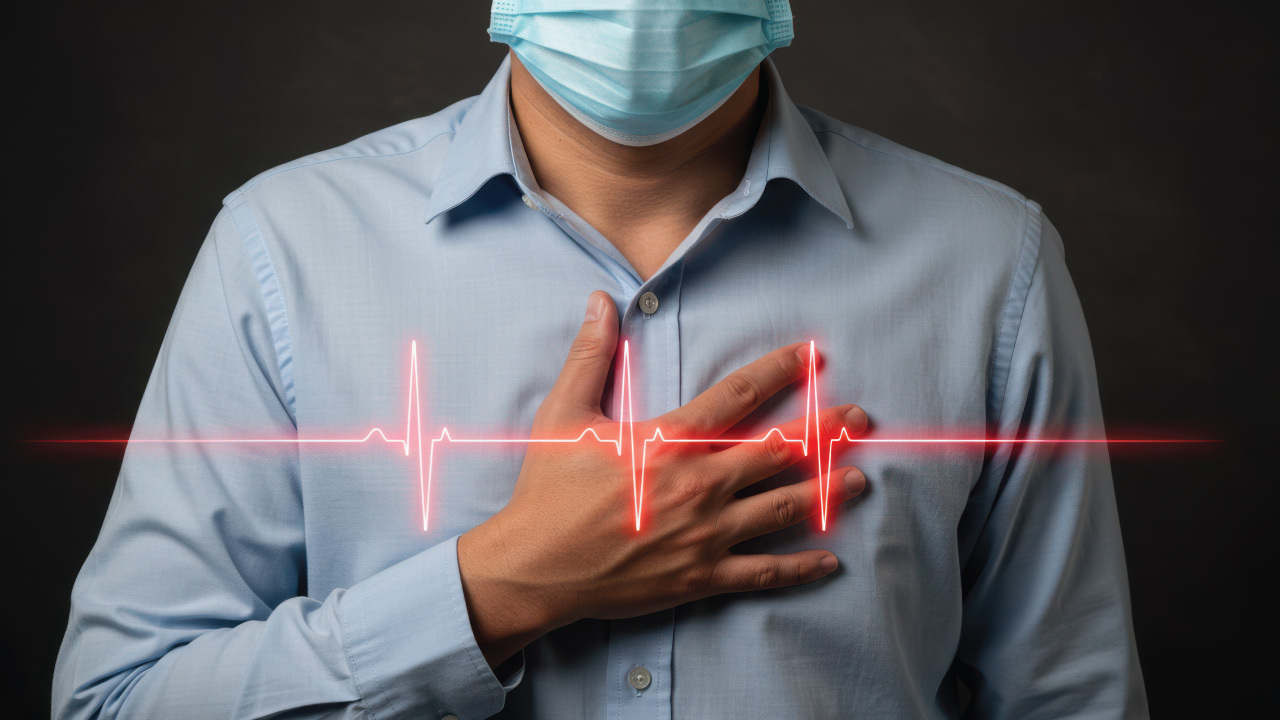
Feeling your heart skip a beat, flutter, or race unexpectedly can be alarming. These sensations, known as palpitations, are often felt in the chest, throat, or neck. While they are usually harmless, they can sometimes indicate underlying heart conditions or other health issues. Understanding the causes, symptoms, and when to seek medical attention is essential for maintaining a healthy heart.
Dr. Rohit Kumar, Cardiologist, emphasizes that recognizing warning signs and consulting a specialist early can prevent complications and ensure timely treatment.
What Are Palpitations?
Palpitations are sensations where your heartbeat feels:
- Rapid – racing faster than usual
- Irregular – skipping beats or fluttering
- Strong or Forceful – pounding in the chest or throat
These sensations can last a few seconds to several minutes and may occur at rest or during physical activity. While palpitations are often benign, they can occasionally signal serious heart problems.
Common Causes of Palpitations and Irregular Heartbeat
Lifestyle and Stimulants
- Caffeine, nicotine, alcohol, or energy drinks can trigger palpitations.
- Stress, anxiety, and lack of sleep are common contributors.
Heart-Related Causes
- Arrhythmias – abnormal heart rhythms such as atrial fibrillation, ventricular tachycardia, or premature beats.
- Heart disease – coronary artery disease, heart failure, or valve problems.
- Previous heart attacks or congenital heart conditions.
Medical Conditions
- Thyroid disorders (hyperthyroidism)
- Low or high blood pressure
- Electrolyte imbalances (potassium, magnesium)
- Anemia or dehydration
Medications
Some asthma inhalers, decongestants, or thyroid medications can trigger palpitations.
Symptoms That May Accompany Palpitations
While palpitations may occur alone, they are sometimes associated with:
- Dizziness or lightheadedness
- Shortness of breath
- Chest pain or discomfort
- Fatigue or weakness
- Fainting or near-fainting episodes
If these symptoms occur along with palpitations, it is important to seek medical attention immediately as they may indicate a serious cardiac condition.
When to See a Cardiologist
Consult a cardiologist like Dr. Rohit Kumar if you experience:
- Persistent or recurrent palpitations
- Chest pain or tightness
- Shortness of breath
- Fainting or severe dizziness
- Family history of heart disease or sudden cardiac events
Early evaluation helps identify arrhythmias, heart disease, or other underlying conditions, allowing timely treatment and prevention of complications.
Diagnosis of Palpitations
A cardiologist may recommend:
- Electrocardiogram (ECG) – to check for abnormal rhythms
- Holter monitor – 24–48 hour continuous ECG monitoring
- Echocardiogram – to assess heart structure and function
- Blood tests – to check thyroid, electrolytes, and anemia
- Stress test – to evaluate heart function during physical activity
Accurate diagnosis is essential to determine whether palpitations are benign or require intervention.
Management and Treatment
Treatment depends on the underlying cause:
Lifestyle Modifications
- Limit caffeine, alcohol, and energy drinks
- Manage stress with meditation, yoga, or relaxation techniques
- Maintain regular sleep and hydration
Medications
- Anti-arrhythmic drugs
- Beta-blockers or calcium channel blockers for certain heart rhythm disorders
- Treatment for underlying conditions like thyroid disorders or electrolyte imbalances
Procedures
In some cases, cardiac ablation or implantation of a pacemaker or defibrillator may be recommended for serious arrhythmias.
FAQs
Q1: Are palpitations always dangerous?
A: No. Many palpitations are harmless, caused by stress, caffeine, or anxiety. However, persistent or severe palpitations should be evaluated by a cardiologist.
Q2: Can stress cause irregular heartbeat?
A: Yes. Stress and anxiety can trigger palpitations and irregular heartbeats in otherwise healthy individuals.
Q3: When should I go to the ER for palpitations?
A: Seek immediate care if palpitations are accompanied by chest pain, fainting, severe dizziness, or shortness of breath.
Q4: Can diet affect heart rhythm?
A: Yes. Excessive caffeine, alcohol, or high-sugar diets can trigger palpitations in sensitive individuals.
Q5: Can palpitations occur during pregnancy?
A: Yes. Hormonal changes and increased blood volume can sometimes cause palpitations, but persistent symptoms should be checked by a cardiologist.
Heartbeat in Check – Expert Guidance From Dr. Rohit Kumar
Understanding your heart’s rhythm is essential for a healthy life. Dr. Rohit Kumar, Cardiologist, provides expert evaluation and management of palpitations and irregular heartbeat. From accurate diagnosis to personalized treatment plans, he ensures patients receive timely care and guidance to maintain optimal heart health.
Book a Consultation With Dr. Rohit Kumar Today
Early assessment of palpitations can prevent complications, identify underlying heart conditions, and help you lead a safe, active life. Don’t ignore your heart’s signals – expert care is just a consultation away.


