Introduction
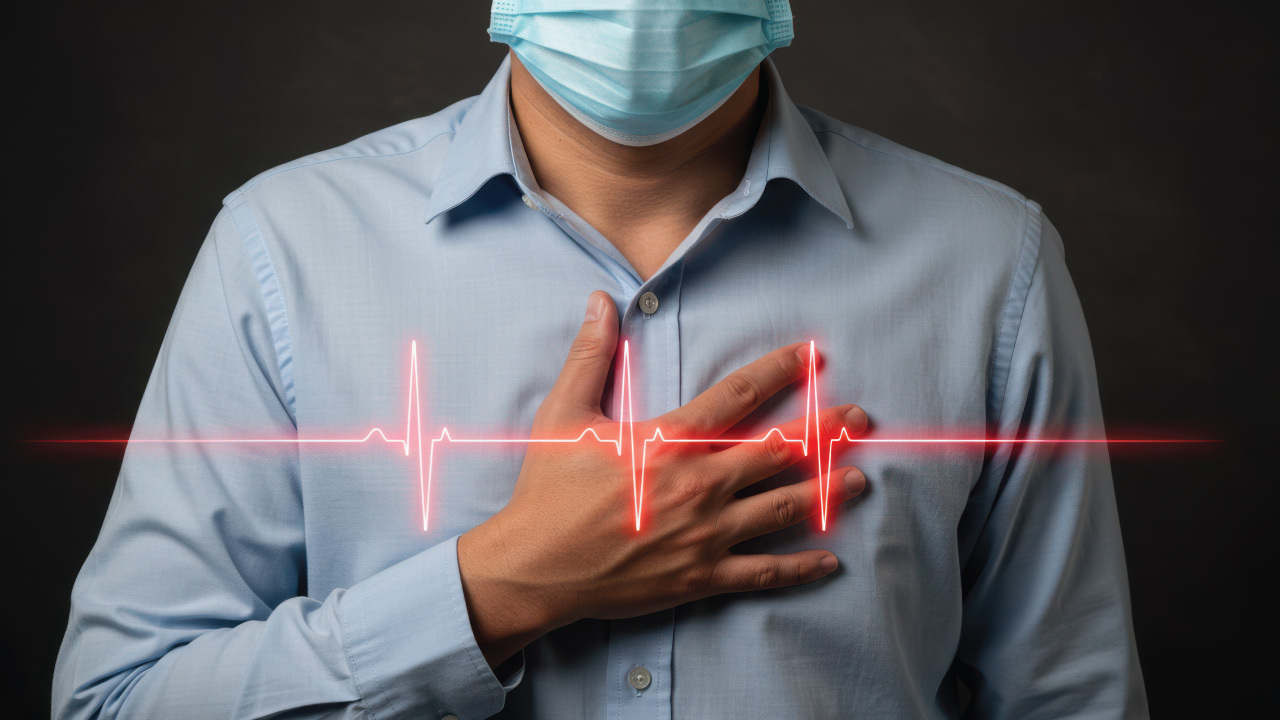
Have you ever suddenly felt your heart racing, skipping beats, or fluttering in your chest? These sensations, known as palpitations, are common and can be alarming. While most palpitations are harmless and linked to stress or lifestyle factors, they can sometimes indicate an underlying heart problem. Understanding the difference between benign palpitations and those that require medical attention is essential for your heart health.
Dr. Rohit Kumar emphasizes that recognizing the causes, triggers, and warning signs of palpitations can help you respond appropriately and avoid unnecessary anxiety.
What Are Palpitations?
Palpitations are feelings of irregular, rapid, or forceful heartbeats. They can occur at rest or during physical activity and may last for a few seconds or several minutes. The sensations can include:
- Skipping a beat
- Fluttering in the chest
- Racing or pounding heart
- Irregular heartbeat
Most palpitations are temporary and benign, but recurring episodes or those accompanied by other symptoms should never be ignored.
Common Causes of Palpitations
1. Stress and Anxiety
Stress triggers the release of adrenaline, which can increase heart rate and cause palpitations. Anxiety and panic attacks often make people more aware of their heartbeat, creating a sensation of fluttering or racing even at rest.
2. Stimulants
- Excess caffeine from coffee, tea, or energy drinks
- Nicotine from smoking or vaping
- Certain medications, including decongestants or weight loss drugs
These stimulants can temporarily affect heart rhythm and create palpitations.
3. Hormonal Changes
Changes in hormones during pregnancy, menopause, or thyroid disorders can also influence heart rate and rhythm, leading to palpitations.
4. Heart-Related Causes
Although most palpitations are benign, they can sometimes indicate:
- Arrhythmias, such as atrial fibrillation or supraventricular tachycardia
- Structural heart problems, including valve disorders or cardiomyopathy
- History of heart attack or coronary artery disease
5. Electrolyte Imbalances or Illness
Low levels of potassium, magnesium, or calcium, fever, dehydration, and other medical conditions can trigger palpitations.
When Palpitations Are Usually Harmless
Palpitations are generally not dangerous if:
- They occur occasionally and resolve quickly
- They are triggered by stress, anxiety, caffeine, or exercise
- They are not accompanied by chest pain, dizziness, fainting, or shortness of breath
- Your heart rate returns to normal on its own
For most people, lifestyle modifications and stress management are enough to reduce the frequency of palpitations.
Warning Signs – When to Seek Medical Attention
Seek prompt evaluation if palpitations are accompanied by:
- Chest pain or pressure
- Shortness of breath
- Dizziness, fainting, or near-fainting episodes
- Rapid or irregular heartbeat that does not settle
- History of heart disease or risk factors such as high blood pressure, diabetes, or high cholesterol
These symptoms could indicate arrhythmias or structural heart disease that need timely intervention.
Diagnosis and Evaluation
A cardiologist like Dr. Rohit Kumar may recommend the following investigations:
- Electrocardiogram (ECG): Measures electrical activity of the heart and detects arrhythmias.
- Holter Monitor: A 24–48 hour heart rhythm recording to capture intermittent palpitations.
- Blood Tests: To check thyroid function, electrolytes, and other contributing factors.
- Echocardiogram: Ultrasound imaging to evaluate the heart’s structure and function.
Early diagnosis helps determine whether palpitations are harmless or require treatment.
Managing Palpitations
Lifestyle Measures
- Limit caffeine, alcohol, and nicotine intake
- Practice stress reduction through meditation, yoga, or counseling
- Stay hydrated and maintain a balanced diet
- Exercise regularly to strengthen the heart
Medical Treatment
- Medications: Beta-blockers or anti-arrhythmic drugs may be prescribed if palpitations are frequent or linked to arrhythmia.
- Procedures: In some cases, catheter ablation or pacemaker insertion may be necessary for persistent or dangerous arrhythmias.
FAQs About Palpitations
1. Can stress really cause heart palpitations?
Yes. Stress increases adrenaline levels, which can cause noticeable changes in heart rhythm.
2. Are palpitations dangerous if I feel fine otherwise?
Most palpitations are harmless if they occur occasionally without other symptoms. Persistent or severe episodes should be evaluated.
3. How can I tell if palpitations are heart-related?
Warning signs include chest pain, dizziness, fainting, shortness of breath, or a history of heart disease.
4. Can lifestyle changes reduce palpitations?
Yes. Avoiding stimulants, managing stress, and maintaining hydration and fitness often help.
5. Should I see a cardiologist for palpitations?
Yes, especially if palpitations are frequent, severe, or accompanied by warning signs. Dr. Rohit Kumar can perform a thorough evaluation and recommend appropriate treatment.
Conclusion
Palpitations are common and often harmless, particularly when linked to stress, caffeine, or lifestyle factors. However, they can sometimes indicate a serious heart condition. Recognizing triggers, warning signs, and risk factors is key to protecting heart health. Timely evaluation and lifestyle adjustments, combined with expert guidance from cardiologists like Dr. Rohit Kumar, can ensure peace of mind and optimal heart function.
If You Experience Frequent, Severe, or Unexplained Palpitations, Schedule a Consultation With Dr. Rohit Kumar. Early Assessment Can Differentiate Stress-Related Symptoms From Heart Conditions And Ensure Timely Treatment.


